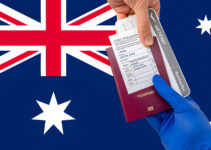
Australia continues to be a highly sought-after destination for immigrants looking to build rewarding careers and enjoy a high quality of life. Its diverse economy, vibrant cities, and strong labor market create many opportunities for skilled workers from around the world. For immigrants, obtaining a job with visa sponsorship is often the key to living and working legally in Australia.
Advertisements
Visa sponsorship means that an Australian employer supports your application for a work visa, allowing you to join their workforce while complying with immigration regulations. Understanding how to navigate this process is essential for increasing your chances of success.
Understanding Visa Sponsorship in Australia
Visa sponsorship in Australia primarily involves employer-sponsored visas that allow immigrants to work legally while their employer supports their visa application. Two main types of employer-sponsored visas are popular in 2025:
Temporary Skill Shortage (TSS) Visa — Subclass 482
- Allows Australian employers to sponsor foreign workers to fill temporary skill shortages.
- Available in two streams:
- Short-term stream: For occupations on the Short-Term Skilled Occupation List (STSOL), visa valid up to 2 years.
- Medium-term stream: For occupations on the Medium and Long-Term Strategic Skills List (MLTSSL), visa valid up to 4 years with eligibility for permanent residency.
Employer Nomination Scheme (ENS) Visa — Subclass 186
- Permanent residence visa for skilled workers nominated by an employer.
- Requires the applicant to have worked for the sponsoring employer for a specified period or meet other criteria.
- Ideal for immigrants seeking long-term settlement in Australia.
Key Sponsorship Requirements
- Employers must be approved sponsors registered with the Australian Government.
- The job offered must be on an eligible occupation list relevant to the visa subclass.
- The employer must demonstrate they cannot find a suitably skilled Australian worker for the position.
- Applicants need to meet English language, skills, and health requirements.
Identifying Eligible Occupations and Industries
To improve your chances of securing visa sponsorship in Australia, it’s important to focus on occupations and industries listed on Australia’s official Skilled Occupation Lists. These lists determine which jobs are eligible for employer sponsorship under different visa programs.
Australia’s Skilled Occupation Lists
- Medium and Long-Term Strategic Skills List (MLTSSL): Includes occupations eligible for medium to long-term visas, including permanent residency pathways. Examples: software engineers, registered nurses, civil engineers.
- Short-Term Skilled Occupation List (STSOL): Contains occupations eligible for short-term visas (usually up to 2 years). Examples: hospitality managers, some trades.
- Regional Occupation List (ROL): Occupations prioritized for regional Australia to support local labor markets.
Top Industries Offering Sponsorship Opportunities in 2025
- Healthcare: Doctors, nurses, allied health professionals, aged care workers.
- Information Technology: Software developers, cybersecurity experts, IT business analysts.
- Engineering and Construction: Civil, mechanical, electrical engineers; construction managers; tradespeople.
- Trades: Electricians, plumbers, welders, carpenters.
- Hospitality and Tourism: Chefs, restaurant managers, hotel managers (mostly STSOL).
- Education: Secondary school teachers, early childhood educators.
How to Prepare Your Application Documents
Submitting a professional and complete application is crucial when applying for jobs with visa sponsorship in Australia. Properly prepared documents help employers assess your qualifications and improve your chances of securing sponsorship.
Australian-Style Resume and Cover Letter Tips
- Resume (CV):
- Typically 2–3 pages, focusing on relevant skills and achievements.
- Use clear section headings: Contact Information, Professional Summary, Work Experience, Education, Skills, Certifications.
- Quantify achievements when possible (e.g., “Increased sales by 25%”).
- Avoid including personal details such as age, marital status, or a photo.
- Cover Letter:
- Address it specifically to the hiring manager if possible.
- Explain why you are interested in the role and how your skills fit the position.
- Mention your eligibility and willingness to work under visa sponsorship.
- Keep it concise and persuasive, ideally one page.
Certifications, Qualifications, and Work Experience Documentation
- Provide scanned copies of relevant degrees, diplomas, or certificates.
- Include professional licenses or trade certifications if applicable.
- Collect reference letters or work experience certificates from previous employers.
- Highlight any Australian equivalencies if you have completed bridging courses or certifications.
English Proficiency Requirements
- Most visa programs require proof of English proficiency.
- Accepted tests include IELTS, TOEFL, PTE Academic, among others.
- Aim for scores that meet or exceed visa requirements (typically IELTS overall 6.0 or higher).
- Some occupations may have higher language benchmarks.
How to Find Employers Offering Visa Sponsorship
Locating Australian employers who are willing and able to provide visa sponsorship is essential to your job search. Here are practical ways to identify these employers:
1. Use Official Government Resources
- Australian Government’s Skilled Occupation List (SOL) and Employer Nomination Scheme (ENS): Check for eligible occupations and registered sponsors.
- Australian JobSearch Portal: The government’s official job site often features positions with visa sponsorship opportunities.
2. Search Major Job Boards with Sponsorship Filters
- Use popular job portals like Seek, Indeed Australia, and LinkedIn with keywords such as “visa sponsorship,” “employer sponsored,” or “457 visa sponsorship.”
- Many listings specify whether the employer offers visa sponsorship.
3. Engage Recruitment Agencies Specializing in Immigration Sponsorship
- Some recruitment agencies focus on placing international candidates with employers who sponsor visas.
- Research and register with agencies that specialize in your industry or skilled occupation.
4. Network Within Australian Professional Groups
- Join LinkedIn groups, industry associations, and Australian immigrant support forums.
- Attend virtual or in-person career fairs and networking events.
- Referrals and insider knowledge can uncover sponsorship opportunities not publicly advertised.
5. Verify Employer Sponsorship Capability
- Confirm that employers are approved sponsors registered with the Australian Department of Home Affairs.
- Be cautious of scams; legitimate employers will have official sponsorship licenses.
How to Apply for Jobs Strategically
Applying strategically can make a significant difference in securing jobs with visa sponsorship in Australia. Follow these best practices:
Tailor Your Application Materials
- Customize your resume and cover letter for each job to highlight relevant skills and experience.
- Use keywords from the job description to pass applicant tracking systems (ATS).
- Clearly state your willingness and eligibility for visa sponsorship in your cover letter or resume.
Follow Application Instructions Carefully
- Submit all requested documents and information exactly as specified.
- Use the correct formats (usually PDF for resumes and cover letters).
- Complete any online application forms thoroughly and honestly.
Demonstrate Value to the Employer
- Emphasize how your skills can solve the employer’s problems or contribute to their goals.
- Highlight past achievements with quantifiable results.
- Showcase any unique skills or certifications relevant to the role or industry.
Be Professional and Responsive
- Respond promptly to communication from recruiters or employers.
- Prepare for and attend interviews punctually.
- Follow up with polite thank-you emails after interviews.
Avoid Common Mistakes
- Don’t apply for jobs you’re not qualified for.
- Avoid generic applications; personalization is key.
- Don’t hide your visa status; be upfront and professional about sponsorship needs.
How to Prepare for Interview and What Employers Expect
Performing well in interviews is critical to securing a job with visa sponsorship in Australia. Understanding employer expectations and preparing accordingly will boost your confidence and chances of success.
Types of Interviews You May Encounter
- Phone Interviews: Often used as initial screening. Ensure a quiet environment and clear communication.
- Video Interviews: Becoming increasingly common; test your technology beforehand and maintain eye contact via the camera.
- In-Person Interviews: May occur if you are in Australia or invited after preliminary interviews.
What Employers Look For
- Technical Skills: Demonstrate your expertise relevant to the job role.
- Problem-Solving Ability: Employers value candidates who can think critically and handle challenges.
- Communication Skills: Clear and professional communication is essential.
- Cultural Fit: Australian workplaces emphasize teamwork, respect, and adaptability.
- Understanding of Visa Sponsorship: Be ready to discuss your visa status openly and confidently.
Interview Preparation Tips
- Research the company’s history, values, and recent projects.
- Prepare answers for common behavioral questions like “Tell me about a time you overcame a challenge.”
- Practice explaining your qualifications and experience succinctly.
- Prepare thoughtful questions to ask the interviewer.
- Dress professionally and be punctual.
Understanding the Visa Process Post Job Offer
Once you receive a job offer from an Australian employer willing to sponsor you, it’s important to understand the next steps in the visa application process.
Employer Nomination and Sponsorship Obligations
- Your employer must submit a nomination application to the Australian Department of Home Affairs, demonstrating the need to hire a foreign worker.
- They must meet obligations such as paying the market salary rate and providing employment conditions comparable to Australian workers.
- Employers also have responsibilities to ensure compliance with immigration laws throughout your employment.
Your Visa Application Steps
- After employer nomination approval, you apply for the relevant visa (e.g., TSS subclass 482, ENS subclass 186).
- Prepare and submit required documents including your passport, skills assessments, health examinations, and police clearances.
- Pay the visa application fees and any applicable charges.
- Attend biometrics or interviews if requested.
Processing Times and Decision
- Visa processing times vary depending on visa subclass and applicant circumstances but typically range from a few weeks to several months.
- You can track your application status online.
After Visa Grant
- You will receive a visa grant notification with conditions and validity dates.
- Make travel arrangements and prepare for your move to Australia.
- Familiarize yourself with your rights and responsibilities under the visa conditions.
Tips to Boost Your Success
Securing a job with visa sponsorship in Australia requires more than just qualifications; strategic preparation and continuous improvement can significantly enhance your prospects.
Upskill and Obtain Australian-Recognized Certifications
- Pursue relevant certifications that are recognized in Australia to boost your credibility.
- Engage in online courses or bridging programs to familiarize yourself with Australian industry standards and practices.
Stay Updated on Immigration Policies
- Australian immigration laws and occupation lists can change frequently.
- Regularly check the Department of Home Affairs website or subscribe to immigration news updates.
Build a Strong Professional Network
- Join Australian professional associations related to your field.
- Attend industry webinars, job fairs, and networking events to connect with potential employers and recruiters.
Avoid Scams and Fraudulent Offers
- Be wary of job offers requiring upfront fees or promises of guaranteed sponsorship.
- Always verify employers and job postings through official channels.
Prepare Financially and Mentally
- Understand the costs associated with visa applications and relocation.
- Prepare for cultural adjustments and building a new life in Australia.
Conclusion
Australia offers exciting opportunities for immigrants seeking high-quality jobs with visa sponsorship in 2025. By understanding the visa sponsorship system, targeting eligible occupations, preparing professional applications, and engaging with the right employers, you can increase your chances of success.
Start your preparation early, stay informed, and approach your job search strategically. With persistence and the right knowledge, your goal of living and working in Australia can become a reality.
Frequently Asked Questions (FAQs)
Q1: What types of visas require employer sponsorship in Australia?
A: The most common are the Temporary Skill Shortage (TSS) visa (subclass 482) and the Employer Nomination Scheme (ENS) visa (subclass 186).
Q2: Can family members accompany me on a visa sponsorship?
A: Yes, eligible family members such as spouses and dependent children can usually accompany the primary visa holder.
Q3: How long does the visa sponsorship process take?
A: It varies but can take anywhere from a few weeks to several months depending on visa type and individual circumstances.
Q4: Do I need to have my qualifications assessed for visa sponsorship?
A: Yes, most skilled occupations require formal skills assessments by recognized Australian assessing authorities.
Q5: Can I change employers after arriving in Australia on a sponsored visa?
A: Changing employers usually requires a new nomination and visa application, but some visa subclasses allow employer changes under certain conditions.